
Late October is when most Wichita furnaces settle in for months of steady work. That is good news for comfort, but it also means the start of carbon monoxide season. Gas furnaces, water heaters, fireplaces and attached garages all become bigger factors once windows close and the heat runs day and night.
Carbon monoxide (CO) is a gas you cannot see, smell or taste. A furnace that is working the way it should vents its combustion gases safely outdoors. When something goes wrong with that process, CO can build up inside the house without any obvious warning. Here is what every homeowner with a gas furnace should know before the coldest weeks arrive.
Where Carbon Monoxide Comes From in a Home
CO is produced whenever a fuel such as natural gas, propane, wood or gasoline burns. In most Wichita homes, the main sources are:
- Gas furnaces, which burn fuel inside a sealed combustion chamber and send exhaust out through a flue or vent pipe
- Gas water heaters, which often share a flue with the furnace in older homes
- Gas ranges and ovens, especially when used for long periods without ventilation
- Fireplaces and wood stoves with blocked or poorly drafting chimneys
- Vehicles, generators and gas-powered tools running in or near an attached garage
None of these appliances is dangerous on its own. The risk comes from incomplete combustion or from exhaust that ends up in your living space instead of outdoors.
How a Furnace Can Leak Carbon Monoxide
A properly installed and maintained furnace is very safe. Problems usually develop slowly over years of heating cycles, which is why they are easy to miss. These are the most common causes we look for.
Cracked Heat Exchanger
The heat exchanger is the metal chamber that separates burning gas from the air that circulates through your home. It expands every time the furnace fires and contracts when it shuts off. After many seasons, especially on older furnaces or units that have run hot because of restricted airflow, the metal can crack. A crack can allow combustion gases to mix with the air your blower sends through the ductwork.
Blocked or Disconnected Venting
Exhaust has to travel out of the house through a flue or, on high-efficiency furnaces, PVC vent pipes. Bird nests, debris, a loose joint or a vent pipe that has sagged or separated can all keep gases from leaving. On high-efficiency units, snow or ice drifting over an outdoor vent termination can cause trouble during a winter storm.
Poor Burner Combustion
Burners need the right mix of gas and air. Dirty burners, incorrect gas pressure or a lack of combustion air can lead to incomplete burning, which produces more CO. A steady blue flame is normal. A lazy, yellow or flickering flame is a sign the furnace should be checked.
Backdrafting
Powerful exhaust fans, a fireplace drawing air, or a very tight home can create negative pressure that pulls exhaust back down a water heater or furnace flue. This is more likely in homes where several fuel-burning appliances share a small space such as a basement utility room.
Warning Signs to Take Seriously
Because CO itself has no odor, you have to rely on alarms and on indirect clues. According to the CDC, the most common symptoms of CO poisoning are headache, dizziness, weakness, upset stomach, vomiting, chest pain and confusion. These are often described as flu-like, which is why CO exposure is easy to mistake for a winter illness.
Pay attention if:
Symptoms improve when you leave the house and return when you come back. Several people in the home, or pets, feel sick at the same time. You notice soot or rust-colored streaks around the furnace, water heater or vent connections. There is excess moisture or condensation on windows near fuel-burning appliances. The furnace flame looks yellow instead of blue, or the pilot on an older unit keeps going out.
If your CO alarm sounds or anyone has symptoms, get everyone outside to fresh air right away and call 911 or your gas utility's emergency line from outside. Do not go back in until emergency responders say it is safe. After that, have a qualified technician inspect your heating equipment before you use it again.
Carbon Monoxide Alarms: Placement and Upkeep
A working CO alarm is the most important protection you can have. The U.S. Consumer Product Safety Commission recommends installing CO alarms on every level of the home and outside each separate sleeping area. A few practical tips:
Follow the manufacturer's instructions for mounting height and location. Some alarms are designed for walls, others for ceilings or plug-in outlets.
Test alarms monthly using the test button, and replace batteries on the schedule the manufacturer recommends. Many households pair this with changing the furnace filter.
Check the expiration date. CO sensors wear out. Most alarms are printed with a manufacture date or a replace-by date on the back. When an alarm reaches the end of its service life, replace it even if it still beeps when tested.
Consider interconnected or combination alarms so that an alarm in the basement can be heard in upstairs bedrooms.
Building codes for new construction and remodels typically require CO alarms in homes with fuel-burning appliances or attached garages, but requirements for existing homes vary. Even where they are not required, they are inexpensive insurance.
Why an Annual Furnace Inspection Matters
An alarm tells you when CO is already present. A professional inspection helps catch the problems that cause it in the first place. During a fall furnace tune-up, a technician will typically inspect the heat exchanger for cracks or corrosion, check the flue and vent pipes for blockages and secure connections, clean and adjust the burners, confirm proper gas pressure and flame characteristics, verify that safety switches and the draft inducer are working, and look at airflow, since a clogged filter can cause a furnace to overheat and stress the heat exchanger.
Many of these components are hidden inside the cabinet or behind panels, so it is not something homeowners can fully check on their own. What you can do is keep the area around the furnace and water heater clear of storage, change your filter regularly, keep outdoor vent terminations clear of leaves and snow, and never run a car, generator or grill in a garage, even with the door open.
Schedule a Furnace Safety Check with Midwest Mechanical
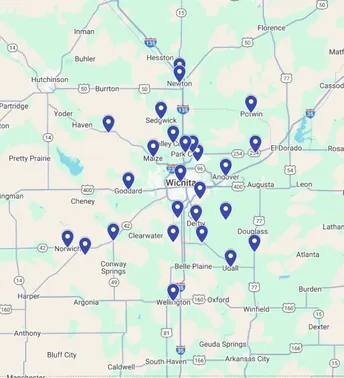
If your furnace has not been inspected this fall, now is the right time, before the first long cold snap keeps it running around the clock. Midwest Mechanical's technicians serve Wichita and the surrounding communities, and we can inspect your furnace, venting and combustion so you can heat your home with confidence.
Our Club Membership makes this easy to stay on top of every year. It is $180 per year per system and includes a fall furnace tune-up and a spring AC tune-up, priority service and discounts on repairs.
Call Midwest Mechanical at (316) 262-4259 or schedule online to book your furnace safety inspection.


We have partnered with GoodLeap to offer flexible payment options for your project. GoodLeap uses a soft credit check until funding and the highest score from all 3 bureaus to see if you qualify. It also takes just a few minutes to get started.