


Why Plumbing Problems Homeowners Should Never Ignore Can Cost You Thousands
The plumbing problems homeowners should never ignore range from slow drains and persistent leaks to discolored water and unusual pipe noises — and catching them early can mean the difference between a simple fix and a costly emergency repair.
Here is a quick look at the most urgent plumbing warning signs:
- Slow or recurring drains — often signals a deeper blockage or sewer line issue
- Discolored or rust-tinted water — can indicate corroded pipes or a failing water heater
- Low or fluctuating water pressure — may point to hidden leaks, mineral buildup, or pipe failure
- Unusual pipe noises — banging, gurgling, or rattling can signal water hammer or loose pipes
- Foul odors from drains — often a sign of sewer gas or a blocked sewer line
- Water stains on ceilings or walls — suggest hidden leaks that are actively causing structural damage
- Unexplained spikes in your water bill — frequently caused by silent leaks or a running toilet
- Multiple drains backing up at once — a strong indicator of a main sewer line blockage
- Warm spots on floors or damp patches — potential signs of a slab leak under your foundation
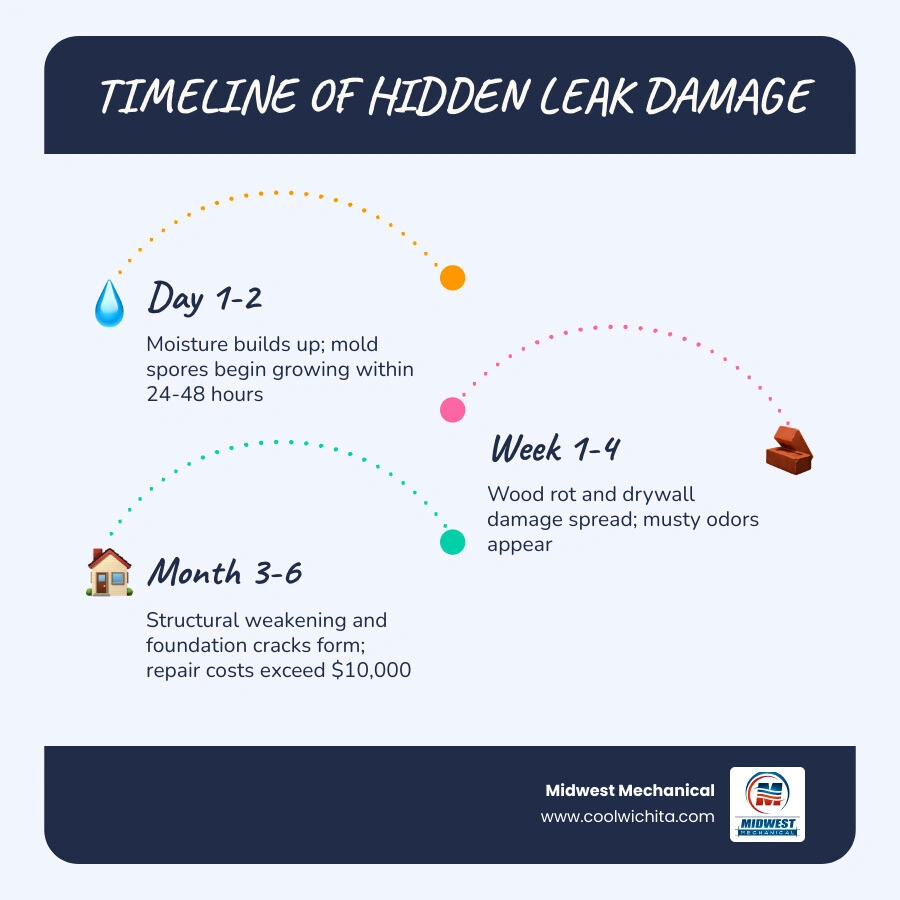
Most homeowners don't think about their plumbing until something stops working. But here's the problem: many of the most damaging issues start small and stay hidden. According to the EPA, the average household loses around 9,400 gallons of water per year to leaks — and a single untreated leak can cause over $10,000 in structural damage within six to twelve months. Mold can begin growing within just 24 to 48 hours of moisture exposure, and as of May 2026, roughly 32% of homeowners are still actively putting off plumbing repairs.
Whether you're dealing with a dripping faucet or a mysterious stain spreading across your ceiling, this guide will walk you through the warning signs you should never dismiss — and when it's time to call a licensed plumber.
Plumbing problems homeowners should never ignore terms simplified:
Warning Signs of Plumbing Problems Homeowners Should Never Ignore

When it comes to your home's pipes, what you don't know can hurt your wallet. Many homeowners in Wichita, Andover, and Derby treat minor plumbing quirks as "old house charm" or simple inconveniences. However, these small changes are often the early warning signs of systemic failures.
To help you protect your property, our team at Midwest Mechanical has put together some critical Plumbing Repair Wichita Tips to help you distinguish between a minor local issue and a major systemic failure.
Understanding the difference between localized and systemic issues is crucial before you attempt any quick fixes. Here is a quick reference table to help you categorize what you are experiencing:
| Symptom | Localized Issue (Simple Fix) | Systemic Issue (Requires Prompt Professional Care) |
|---|---|---|
| Slow Draining | Only the kitchen sink drains slowly after washing dishes. | Multiple drains in the bathrooms, kitchen, and laundry room are sluggish. |
| Low Water Pressure | Only the master bathroom showerhead has weak flow. | All faucets and showers throughout the entire home have weak pressure. |
| Discolored Water | Rusty water appears only when you turn on the hot water tap. | Brown, blue, or yellow water comes out of every single hot and cold fixture. |
| Strange Noises | A slight rattle behind one wall when a specific faucet is shut off. | Loud banging, vibrating, or gurgling throughout the whole house when any toilet flushes. |
Let's dive deeper into these common plumbing problems homeowners should never ignore and look at what is actually happening behind your walls.
Slow Drains: Plumbing Problems Homeowners Should Never Ignore
A single slow-draining sink is an annoyance; multiple sluggish drains are a cry for help from your sewer line. Clogged drains and sewer line issues are incredibly common, accounting for roughly 60% of all urgent residential plumbing calls. While it is tempting to reach for a bottle of chemical drain cleaner, doing so can actually corrode your pipes from the inside out—especially if your home has older metal plumbing.
If you are constantly dealing with slow drains, it is important to understand the Common Causes of Clogged Drains. In the bathroom, the primary culprits are hair, soap scum, and beauty products. You can learn more about this sticky dynamic in our guide on How Hair and Soap Scum Clog Your Bathroom Drains.
In the kitchen, the issues are usually food-related. To keep your kitchen plumbing running smoothly, there are several Things You Should Never Put Down Your Kitchen Drain, including:
- Fats, Oils, and Grease (FOG): These liquid fats solidify inside your cold pipes, forming rock-hard blockages over time.
- Coffee Grounds: They do not dissolve; instead, they settle in the P-trap and act like wet sand, binding with other debris.
- Fibrous Vegetables: Celery, onion skins, and potato peels can wrap around garbage disposal blades and create thick nests in your drain lines.
- "Flushable" Wipes: Despite what the packaging claims, these wipes do not break down like toilet paper and are a leading cause of severe sewer line blockages.
Discolored Water: Plumbing Problems Homeowners Should Never Ignore
When you turn on your tap, the water should always be crystal clear. If it looks like weak tea, has a blue-green tint, or contains dark flakes, you are dealing with a major warning sign. Discolored water is a clear indicator of pipe corrosion, sediment buildup, or a failing water heater.
Here is what different water colors typically mean for your plumbing system:
- Red, Brown, or Orange Water: This is a classic sign of rust. If your home was built before 1970, it likely contains galvanized steel pipes that rust internally as they age. This discoloration can also point to a rusting water heater tank.
- Blue or Green Water: This indicates copper pipe corrosion. When copper oxidizes, it leaves a greenish residue. If left untreated, this corrosion will thin the pipe walls, eventually leading to pinhole leaks.
- Yellow Water: Yellowish water often points to a buildup of organic matter or iron in the local water distribution system, but it can also indicate the early stages of pipe deterioration inside your home.
- Cloudy or Milky Water: This is usually caused by tiny air bubbles in the pipes, which is harmless. However, if the cloudiness does not clear up after the water sits in a glass for a few minutes, it may be a sign of heavy mineral scale buildup.
If your home's piping is showing signs of widespread rust and decay, it may be time to consider modern upgrades. To understand your options, check out our comprehensive guide on Piping and Repiping for Your Home.
Low Water Pressure
Have you noticed that your morning shower feels more like a gentle drizzle than a refreshing rinse? A sudden or gradual drop in water pressure is a major red flag.
While a single weak fixture usually means a clogged aerator, whole-home low water pressure points to deeper issues. The most common causes include:
- Severe Mineral Buildup: Hard water is incredibly common in Kansas. Over time, calcium and magnesium scale can build up inside your pipes, narrowing the pathway for water and choking off your pressure.
- Failing Pressure Regulator: Most homes have a pressure-reducing valve (PRV) that keeps municipal water at a safe pressure (usually between 40 and 60 PSI). If this valve fails, it can cause your pressure to plummet or spike dangerously.
- Hidden Pipe Leaks: If water is escaping through a cracked or burst pipe behind your walls or under your yard, less water pressure makes it to your faucets.
If you are tired of weak showers, explore our practical Solutions for Low Water Pressure to get your system flowing normally again.
Unusual Pipe Noises and Water Hammer
Your plumbing system should do its job quietly. If your home sounds like it is haunted by rattling, banging, or gurgling noises, your pipes are experiencing physical stress.
The most common plumbing noise is water hammer. This loud, sudden bang occurs when a water valve shuts off quickly (such as in a washing machine or dishwasher), causing the fast-moving water to crash into the closed valve. This sudden shockwave vibrates through your pipes, loosening brackets and joints over time. If left unaddressed, water hammer can eventually cause pipe joints to fail entirely, leading to major leaks.
Other noises to watch out for include:
- Gurgling from Drains: This suggests that air is trapped in your plumbing vents or that a blockage is forming in the line, creating negative pressure that pulls air through your P-traps.
- Rattling or Shaking: This usually means your pipes are not properly secured to your floor joists or wall studs, allowing them to move and rub against structural wood when water flows.
- Humming or Whistling: Often caused by a failing pressure regulator or a partially closed main shutoff valve restricting the flow of highly pressurized water.
Additionally, strange noises can originate from under-sink appliances. If your kitchen noises are centered around your sink basin, read our tips on Solving Garbage Disposal Problems to quiet things down.
Hidden Structural Threats: Slab Leaks and Water Stains
Some of the most dangerous plumbing problems homeowners should never ignore are the ones you cannot see directly. Because water naturally migrates to the path of least resistance, a leak in an upstairs bathroom can show up as a water stain on your living room ceiling or cause silent damage deep beneath your concrete foundation.
Water Stains and Mold Growth
A brown, ringed stain on your drywall ceiling or wall is a clear sign of an active leak. Drywall acts like a giant sponge, absorbing leaking water until it becomes fully saturated. By the time you actually see a water stain, the leak has likely been dripping behind the scenes for weeks.
Ignoring these stains can lead to severe structural rot. Wet wood joists lose their structural integrity, and drywall can become so heavy with water that it collapses entirely.
Furthermore, mold can begin growing within just 24 to 48 hours of moisture exposure. Mold spores ruin indoor air quality and can trigger respiratory issues. Because mold is incredibly difficult and expensive to remediate, it can easily reduce a home's resale value by as much as 20%.
If you spot a damp area or water stain, refer to our Water Leak Repair Complete Guide or our guide on Burst Pipe Repair to stop the damage before it spreads.
Slab Leaks and Foundation Shifts
In many Kansas homes, plumbing supply and drain lines run directly beneath the concrete slab foundation. When one of these buried pipes cracks or corrodes, it creates what is known as a slab leak.
Slab leaks are particularly dangerous because they are incredibly difficult to spot. However, you can watch for these key warning signs:
- Unexplained Warm Spots on the Floor: If a hot water line is leaking under your concrete floor, you may feel warm patches under your tile, vinyl, or carpet.
- The Sound of Running Water: Hearing water rushing or hissing when all your faucets are completely turned off is a strong indicator of an underground leak.
- Cracked Flooring or Drywall: As leaking water saturates the soil beneath your home, the clay-heavy soil in the Wichita area can swell and shift. This movement puts immense pressure on your concrete foundation, leading to cracks in your slab, sagging floors, and cracked interior drywall.
Sewer Line Backups and Foul Odors
A blocked sewer line is a serious health hazard. Your plumbing system relies on P-traps—curved segments of pipe beneath your sinks and toilets—to hold a small amount of water. This water acts as a physical barrier that prevents toxic sewer gases (which contain methane and hydrogen sulfide) from entering your living spaces.
If you smell a rotten egg odor around your drains, it could mean a P-trap has dried out, or it could point to a much larger issue deep in your main sewer line. The most common cause of sewer line damage in older neighborhoods in Wichita and Park City is tree root intrusion. Tree roots are naturally drawn to the warmth and moisture of underground sewer pipes. They can slip through tiny cracks in clay or cast-iron pipes, expanding inside the line until they completely block the flow of waste.
If you notice multiple drains backing up at the same time or hear your toilets gurgling when you run the washing machine, stop using your water immediately and explore our guide on Sewer Line Repair Wichita to schedule a professional sewer camera inspection.
When to Call a Professional Plumber
We all love the satisfaction of a successful DIY project. However, the plumbing system is highly interconnected, and a single mistake can quickly escalate into a major home disaster. Knowing when to put down the wrench and call a licensed professional is one of the most cost-effective home-protection skills you can have.
The Limits of DIY Fixes
While clearing a minor hair clog from a bathroom sink with a plastic zip-it tool is a perfectly safe DIY task, major drain issues require professional equipment.
Relying on harsh chemical drain cleaners from the hardware store often does more harm than good. These chemicals generate intense heat to dissolve blockages, which can easily warp plastic PVC pipes or accelerate corrosion in older metal systems.
Additionally, many plumbing projects—such as replacing a water heater, modifying gas lines, or relocating drain pipes—require local permits and must comply with strict building codes. Attempting unpermitted work can void your homeowner's insurance policy and create massive headaches when you try to sell your home in the future.
If you are trying to decide whether to tackle a clog yourself, read our guide on Drain Cleaning Tips and When to Call a Pro or learn about the professional equipment used in The Process of Snaking a Drain.
When you need reliable, code-compliant workmanship, it is always best to work with a local expert. At Midwest Mechanical, we are proud to serve our neighbors throughout the region. If you need assistance, you can find a trusted Residential Plumber Wichita KS, consult our Licensed Plumber Andover KS Guide, or learn more about finding the Best Licensed Plumbing Park City KS.
Preventive Maintenance and Winterization
The best way to handle a plumbing issue is to prevent it from happening in the first place. Scheduling an annual plumbing inspection allows a licensed technician to check your water pressure, inspect exposed lines for corrosion, test your water heater's pressure relief valve, and catch silent leaks before they cause structural damage.
In Kansas, seasonal preparation is also highly critical. Our freezing winter temperatures can easily freeze water inside exposed pipes, causing the metal or plastic to expand and burst.
To protect your home before the cold weather hits, you should understand What Does Winterizing a Plumbing System Involve and implement key strategies on How to Prevent Drain Clogs Before They Happen.
Frequently Asked Questions About Home Plumbing Issues
Why does my water bill increase suddenly without extra usage?
An unexpected spike in your water bill is almost always a sign of a silent leak. The most common culprit is a running toilet. If the flapper valve inside your toilet tank fails to seal properly, water will constantly leak from the tank into the bowl, wasting up to 200 gallons of water per day.
To test this, place a few drops of food coloring into your toilet tank and wait 10 minutes without flushing. If the color appears in the bowl, you have a leaking flapper that needs to be replaced. If your toilets are fine, you may have a hidden leak behind your walls or in your underground supply line.
How quickly can a minor leak cause mold and structural damage?
Surprisingly fast. Mold spores can begin to colonize and grow within just 24 to 48 hours of moisture exposure. Within just a few weeks, constant moisture will begin to rot wooden wall studs, ruin drywall, and damage your flooring. Over the course of six to twelve months, a single unaddressed leak can cause over $10,000 in structural damage.
What should I do if multiple drains in my home are backing up at once?
If your kitchen sink, shower, and toilets are all backing up or gurgling simultaneously, you have a blockage in your main sewer line.
You should immediately turn off your home's main water supply valve to prevent any more water from entering the system. Do not flush your toilets or run any water-using appliances, and contact a licensed plumber immediately to clear the main line.
Conclusion
Your home's plumbing system is a complex network that works hard behind the scenes to keep your household running smoothly. While it is easy to ignore a slow drain, a faint sewer smell, or a slight drop in water pressure, these minor issues are often the early warning signs of much larger, more expensive problems. By staying proactive and addressing these warning signs early, you can protect your home's structural integrity, preserve your indoor air quality, and save thousands of dollars in avoidable repairs.
At Midwest Mechanical, we are dedicated to helping homeowners throughout the Wichita area maintain safe, comfortable, and efficient homes. Whether you need a quick repair in Maize, a system upgrade, or want to consult our Plumbing Replacement Haysville KS Guide, our team of friendly, licensed professionals is here to help.
If you suspect your home has a hidden plumbing issue, do not wait for a small drip to turn into a major flood. For professional service you can trust, find a Plumbing Near Me Wichita KS expert or Schedule professional plumbing services with Midwest Mechanical today!
Customer Testimonials
Hear from satisfied customers who trust us for reliable HVAC and plumbing service across Wichita.




Plus, the technician, Lee was very professional, knowledgeable and informative.
We will definitely be doing business with them sometime again in the past.
I'm prompt to my appointment. Thank you Midwest Mechanical.
I'm prompt to my appointment. Thank you Midwest Mechanical.

We have partnered with GoodLeap to offer flexible payment options for your project. GoodLeap uses a soft credit check until funding and the highest score from all 3 bureaus to see if you qualify. It also takes just a few minutes to get started.




Service Areas
.svg)